
Essential Maintenance and Care Methods for HDPE Drinking Water Connection Fittings
10/23/20254 min read
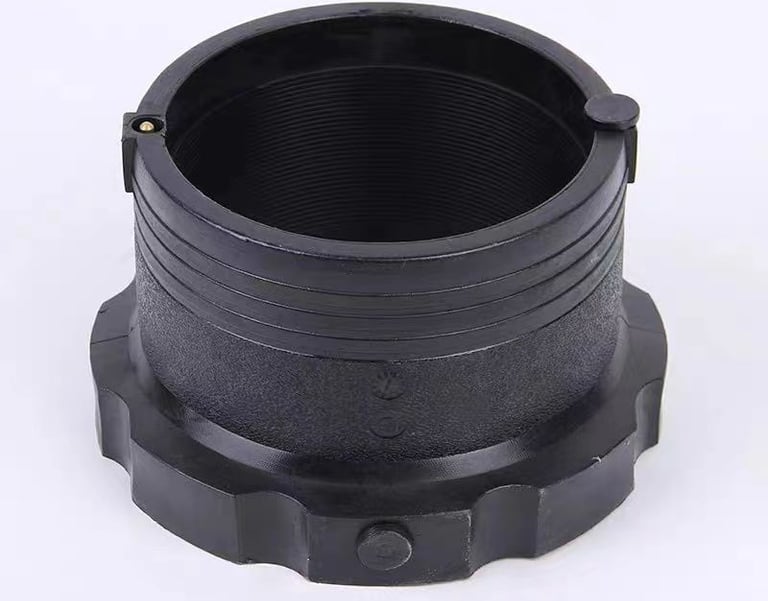
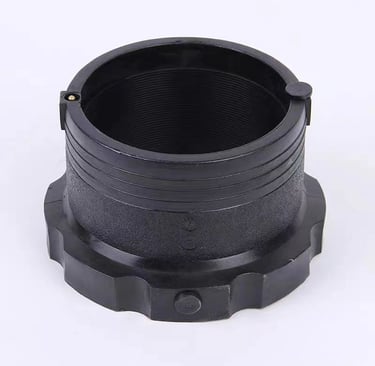
Importance of Shade Measures
Providing shade for outdoor overhead installations of High-Density Polyethylene (HDPE) pipes is an essential maintenance consideration. HDPE is prized for its durability and resistance to corrosion; however, prolonged exposure to direct sunlight can lead to material aging and degradation of performance. The ultraviolet (UV) radiation present in sunlight can cause the molecular structure of HDPE to break down, which in turn may result in cracks, warping, or a reduction in the overall integrity of the pipes. Effectively managing this aspect of HDPE fittings protection is crucial to maintain their function in delivering safe drinking water.
Implementing shading measures protects HDPE pipes from harmful sunlight exposure. Several strategies can be employed, such as installing awnings, canopies, or even using reflective materials to direct sunlight away from the HDPE pipes. Additionally, planting trees or large shrubs in proximity to the installations may provide natural cover that reduces sun exposure throughout the day. Using shades made from UV-resistant materials can also be beneficial and helps to keep the fittings cooler during hot weather, thus reducing thermal expansion stress.
The benefits of these shading measures extend beyond merely preserving the physical structure of the pipes. By reducing temperature fluctuations and protecting against UV damage, shade measures can significantly prolong the lifespan of HDPE drinking water connection fittings. This longevity is instrumental in ensuring that the water delivered through these pipes remains safe for consumption, thereby promoting public health. Furthermore, effective shade management can result in cost savings by minimizing the need for frequent repairs and replacements, making it a sound approach for any facility utilizing HDPE piping systems. In conclusion, adopting shade measures is a proactive step that ensures the optimal functioning and durability of HDPE drinking water connections.
Ensuring Proper Installation Techniques
Proper installation of HDPE drinking water connection fittings is paramount to ensuring the longevity and integrity of the system. The adoption of best practices during installation not only guarantees compliance with specifications but also minimizes the risk of common issues such as joint separation and leaks. A thorough understanding of installation methods is essential for achieving a reliable connection.
One popular technique used in the installation of HDPE fittings is electrofusion, a process that uses electrical heating to create a bond between the fittings and the pipes. This method is particularly advantageous in environments with space constraints where traditional methods, such as butt fusion, may not be feasible. When employing electrofusion, it is crucial to follow the manufacturer's guidelines meticulously, including surface preparation and maintaining the correct temperature parameters. Any deviation from these specifications can lead to weakened joints, which significantly heightens the risk of failures over time.
Furthermore, careful consideration must be given to the alignment and positioning of the HDPE pipes during installation. Misalignment can lead to excessive stress on the joints, exacerbating the likelihood of separation and leakage. Utilizing proper tools and equipment designed for HDPE installation can enhance precision and effectiveness. Additionally, ensuring that the work area is clean and free from contaminants plays a vital role in achieving optimal results, as impurities can interfere with the bonding process and the overall performance of the fitting.
Continuous monitoring and post-installation checks are equally important in maintaining the integrity of HDPE drinking water connection fittings. Regular inspections should be conducted to identify any signs of improper installation or material fatigue. By adhering to these best practices and installation techniques, one can effectively mitigate risks and ensure a sustainable and compliant HDPE drinking water system.
Maintaining Clean Interfaces
When it comes to the installation of HDPE (High-Density Polyethylene) drinking water connection fittings, ensuring clean interfaces prior to hot melt socket fusion connections is of paramount importance. The integrity of the joint relies heavily on the absence of dirt, debris, and other contaminants which can compromise the fusion bond. A compromised connection not only weakens the joint but can lead to leaks, contamination of water supply, and increased maintenance costs.
The first step in maintaining clean interfaces is to conduct a thorough visual inspection of both the fittings and pipes before any joining procedures begin. Look for dirt or residues that might have accumulated on the surfaces. A simple wipe with a clean, dry cloth can often remove surface contaminants. For more stubborn residues, a solution of soap and water can be utilized, ensuring the surfaces are rinsed thoroughly afterward, leaving no soap behind.
Another important aspect is the storage of HDPE fittings and pipes. They should be stored in a clean environment, preferably indoors, to avoid exposure to elements that could introduce contaminants. Covering the ends of the pipes with protective caps can also prevent dirt and debris from entering the fittings while they are not in use.
Regular maintenance checks should be scheduled to ensure that the environment remains clean and that fittings and pipes are still free of any foreign materials. This applies particularly in scenarios where the installation may be subject to varying weather conditions which could contribute to dirt accumulation.
Lastly, employing proper handling techniques during installation can further reduce the risk of contamination. It is advisable to avoid touching the joining surfaces after cleaning. By being vigilant about these maintenance and cleaning practices, the integrity of HDPE drinking water connection fittings can be safeguarded, leading to long-term, reliable service.
Temperature Control in HDPE Fittings
Temperature plays a crucial role in the maintenance and overall performance of HDPE drinking water connection fittings. These fittings, composed of high-density polyethylene, are designed to withstand various environmental conditions; however, significant fluctuations in temperature can adversely affect their integrity and functionality. Ideally, HDPE fittings should be installed and operated within a specific temperature range to ensure optimum performance. Generally, the recommended temperature range for HDPE fittings is between -40°F to 140°F (-40°C to 60°C). Exceeding these limits may lead to deformation, stress cracking, or overall failure of the fittings.
When HDPE fittings are exposed to temperature extremes, their physical properties can change, potentially leading to a reduction in service life. High temperatures can cause the material to soften, while low temperatures may render it brittle. Therefore, it is essential to closely monitor the environmental conditions surrounding the fittings. Regular checks of temperature can mitigate risks associated with thermal expansion and contraction, which may displace connections and lead to leaks.
To effectively manage temperature around HDPE drinking water connection fittings, it is advisable to utilize insulation materials where applicable, especially in regions subject to cold climates. Insulation can protect the fittings from extreme temperature variations, ultimately preserving their structural integrity. Additionally, implementing heat tracing systems can provide a controlled temperature environment, particularly in critical applications where water supply reliability is paramount. Moreover, periodic inspections should be conducted to assess the fittings' condition, enabling timely interventions if any temperature-related issues arise.
In conclusion, maintaining appropriate temperature control is vital for ensuring the longevity and reliability of HDPE drinking water connection fittings. Awareness of the temperature parameters and proactive management can significantly enhance the fittings' performance and reduce the risk of potential damage.