
Exploring the Versatility of HDPE Fittings
9/27/20254 min read
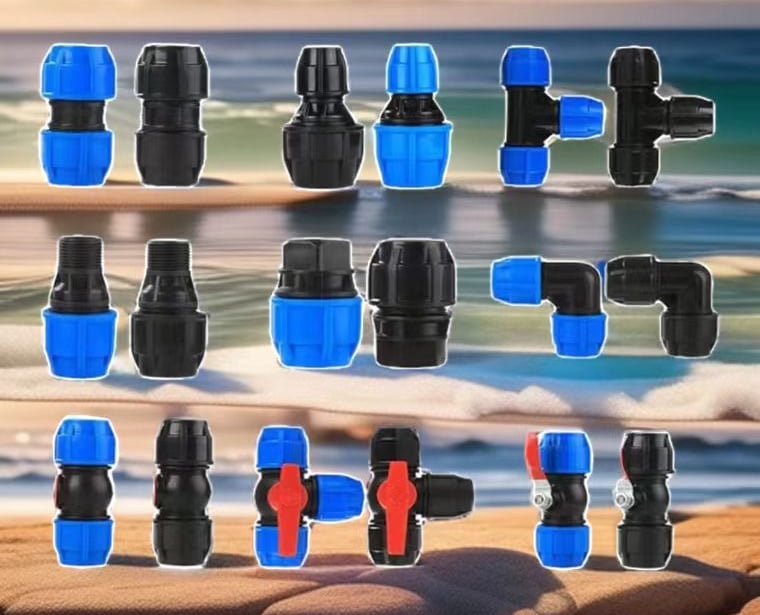
Introduction to HDPE Fittings
High-Density Polyethylene (HDPE) fittings are integral components used in various piping systems across industrial and civil applications. Constructed from thermoplastic material, HDPE exhibits remarkable qualities that render it suitable for diverse environments. The defining feature of HDPE is its high molecular density, which contributes to its superior strength and resistance to environmental stress. These fittings can be fabricated and molded into various shapes, allowing for flexibility in design while maintaining structural integrity.
One of the most significant characteristics of HDPE is its behavior under heat. When exposed to elevated temperatures, HDPE has the unique capability to soften, enabling it to be reshaped into different configurations. This thermoplastic property not only allows for easy installation and manipulation but also supports the creation of seamless joints that enhance the reliability of plumbing systems. As the industry continues to evolve, the demand for durable and adaptable materials like HDPE is expected to rise, particularly in sectors involving water supply, irrigation, and waste management.
In addition to its heat resistance, HDPE fittings boast outstanding chemical resistance, which makes them ideal for transporting a wide array of substances, including corrosive materials. This property significantly reduces the risk of leaks and ensures a longer lifespan for the piping systems, further emphasizing the benefits of utilizing HDPE in various applications. Furthermore, HDPE is lightweight compared to traditional materials, making it easier to handle and install while also contributing to reduced transportation costs.
Overall, the versatility of HDPE fittings, combined with their unique physical and chemical properties, positions them as a favorable choice in contemporary piping systems. The ongoing development and innovation in HDPE technology assure that it will remain a crucial component in addressing the demands of modern infrastructure.
Chemical Resistance and Applications
High-density polyethylene (HDPE) fittings are renowned for their exceptional chemical resistance, making them an ideal choice for a variety of demanding applications. HDPE can withstand exposure to a wide range of chemicals, including strong acids and alkalis, which positions it as a preferred material in industries where contact with corrosive substances is common. This resistance to chemical degradation allows HDPE fittings to maintain their structural integrity and functionality over time, even in harsh conditions.
One of the most significant applications of HDPE fittings is in chemical processing facilities. These environments often involve harsh chemicals that would rapidly degrade many other types of piping materials. HDPE's ability to resist corrosion and chemical attack ensures the safety and reliability of the system, reducing the likelihood of leaks or failures that could lead to hazardous situations. The lightweight nature of HDPE also simplifies installation, reducing labor costs and project timelines.
Another critical application of HDPE fittings is in water treatment facilities. Here, the fittings often come into contact with various chemicals used for water purification, including chlorine and flocculants. The resistance of HDPE to these chemicals helps to prevent contamination, ensuring that the treated water meets safety standards. Furthermore, the durability of HDPE fittings minimizes the need for frequent replacements, contributing to cost savings in maintenance over time.
In waste management systems, HDPE fittings are utilized to transport and manage potentially hazardous waste substances. Their resistance to aggressive chemicals not only protects the piping system from deterioration but also safeguards the environment. By employing HDPE fittings, facilities enhance their ability to handle tough waste materials efficiently and safely.
Overall, the remarkable chemical resistance of HDPE fittings makes them a versatile solution for applications across various industries, ensuring longevity and reliability in some of the most challenging environments.
Heat Resistance and Structural Stability
High-Density Polyethylene (HDPE) fittings are recognized for their exceptional heat resistance, enabling them to maintain structural integrity in various high-temperature environments. One of the key characteristics of HDPE is its impressive melting point, which typically ranges around 120 to 130 degrees Celsius (248 to 266 degrees Fahrenheit). This temperature threshold allows HDPE fittings to function effectively in applications where exposure to elevated temperatures is common, such as in water supply systems, chemical transport, and industrial settings.
Moreover, HDPE exhibits minimal thermal expansion compared to other materials, leading to greater dimensional stability when subjected to thermal changes. This characteristic is particularly beneficial in environments where significant fluctuations in temperature can occur, thereby reducing the risks of joint failure or the need for extensive maintenance. In addition, HDPE's resistance to environmental stress cracking ensures that fittings remain reliable when exposed to high temperatures, maintaining the durability needed for long-term operations.
Industries such as pharmaceuticals, food manufacturing, and petrochemicals often require materials that can withstand harsh conditions without compromising safety or performance. HDPE fittings are, therefore, a preferred choice due to their capability to endure and perform effectively in high-temperature scenarios. For instance, in hot water supply systems of residential or commercial buildings, HDPE solutions are frequently utilized because they resist deformation and leaks, ensuring consistent service and reducing the risk of costly repairs.
Furthermore, the ability of HDPE fittings to maintain integrity under heat also extends the operational lifespan of systems, making them an economical choice for many applications. The myriad benefits associated with HDPE's heat resistance and structural stability clearly underscore its role as a vital component in environments demanding reliability and safety.
Conclusion: The Future of HDPE Fittings
As industries increasingly prioritize sustainability and environmental responsibility, the demand for HDPE fittings is expected to grow significantly. High-density polyethylene (HDPE) fittings have proven to be not only versatile but also essential in various applications across sectors such as construction, water management, and manufacturing. The adaptability of HDPE fittings allows for their innovative use in new design projects, meeting the evolving needs of a rapidly changing market.
The trend towards recyclable materials is more pronounced than ever, as government regulations worldwide push for stricter environmental standards. HDPE fittings, being recyclable and durable, offer a viable solution for organizations seeking to comply with these regulations while maintaining high performance standards. This characteristic positions them favorably within industries focused on sustainability, as manufacturers can leverage the longevity and recyclability of HDPE materials to reduce waste and lower their carbon footprints.
Moreover, continued advancements in material technology are likely to enhance the capabilities of HDPE fittings further. Manufacturers are exploring new formulations and processes that may provide even better resistance to chemical corrosion, UV exposure, and temperature variations, expanding the functional lifespan of these fittings. Additionally, as the industry focuses on smart technologies, there may be applications for HDPE fittings in systems that integrate sensors and IoT devices, improving efficiency and reliability.
In light of these developments, the future of HDPE fittings appears promising. Their versatility and ability to adapt to changing regulations and technology trends position them as a critical component in future infrastructure projects. As organizations search for solutions that align with sustainable practices, HDPE fittings will likely continue to thrive, supporting a wide array of applications across multiple industries.